
Fear of Earthquakes
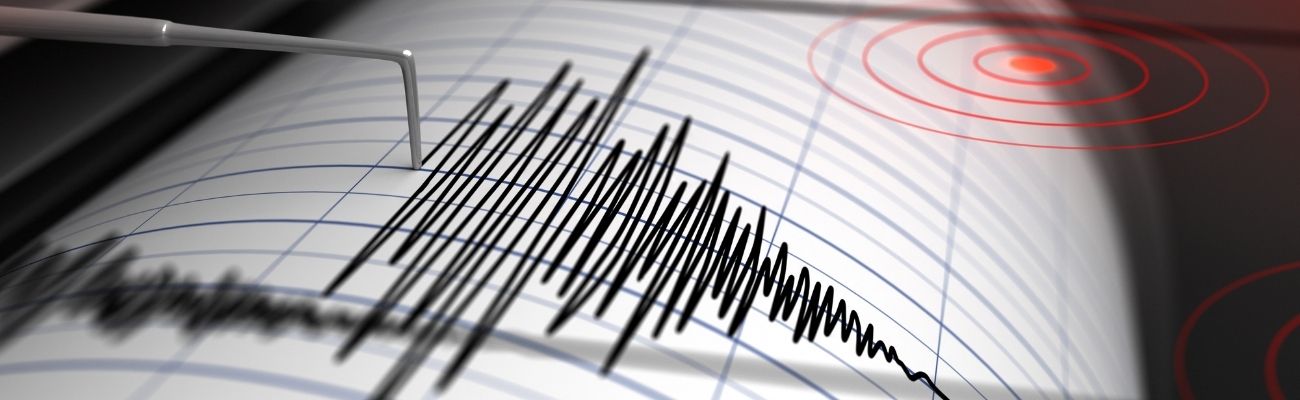
An earthquake is a natural event that evokes helplessness and fear in people due to its unpredictability and inevitability. Most people perceive the world as a safe place before experiencing an earthquake and do not consider the possibility that their loved ones could suddenly die—until they encounter a deeply distressing trauma such as an earthquake. Since this sense of safety is built gradually over a lifetime, a person cannot adapt at the same pace to the sudden change brought about by an earthquake. This new reality after an earthquake—the possibility that they or their loved ones could die at any moment or that their future may be gone—creates conflicting emotions in the mind. For those who witness an earthquake, existential anxieties are triggered, reminding them that, in that moment, the primary goal is simply to survive.
The Greek-derived term “seismo” means earthquake. Seismophobia, or fear of earthquakes, is a type of phobia characterized by a persistent fear that an earthquake will occur and living with that fear. Unlike other phobias, it involves excessive fear not only for oneself but also for one’s family, loved ones, and surroundings, and is triggered by uncertainty—because it is impossible to know where, when, or how strong an earthquake will be. It is not the earthquake itself, but its possible consequences, that create fear.
Initially, there may be a shock phase characterized by numbness, unresponsiveness, and a sense of being stunned. In the following period, individuals affected by an earthquake may experience symptoms such as fear of the dark, fear of being alone, palpitations, trembling, sweating, dizziness, headaches and body aches, an exaggerated startle response, sleep and appetite disturbances, a persistent sensation of shaking, intrusive memories of the घटना, reluctance to talk to others, and irritability.
The intensity of the trauma varies depending on factors such as the severity of the earthquake, the person’s age, where they were during the earthquake, whether they were alone, their previous experiences, and whether they lost a loved one. Additionally, the impact of the earthquake depends on a person’s psychological resilience and coping skills. Some individuals may be unable to enter their home—or even the specific room they were in during the earthquake—for days. Many people recover from less severe earthquakes within days; however, in some individuals, a persistent condition known as post-traumatic stress disorder may develop.
To overcome the fear of earthquakes, it is necessary—after the immediate aftermath—to accept the traumatic event, reconstruct the meaning of life, and resume daily responsibilities. This requires making space in the mind for the reality of earthquakes. Life involves certain uncertainties: while an earthquake may occur at any moment, it may also not occur at all. Instead of constantly imagining earthquake scenarios, it is important to continue life with the awareness that they may never happen. However, constantly expecting an earthquake can paralyze a person and render them unable to function.
Treatment:
Psychological reactions after an earthquake may include fear, grief, anger, guilt, insomnia, and difficulty concentrating. In medical treatment, antidepressants and sleep-regulating medications may be prescribed to alleviate these symptoms.
Psychological Support is Important:
When speaking with a traumatized person, it is important to avoid comments that invalidate their experiences or suppress their emotions. Although trauma may diminish a person’s motivation to continue life, understanding the importance of making an effort is crucial for recovery. Individuals should be encouraged to share their feelings.
Grief after an earthquake may be inevitable. However, as with all traumatic events, it should be emphasized that its impact will gradually decrease over time.
We should make space in our minds for the reality of earthquakes, take necessary precautions, and continue our lives from where we left off.