
"PANIC ATTACKS CAN BE TRIGGERED BY IRREGULAR SLEEP AND EXCESSIVE CAFFEINE CONSUMPTION"
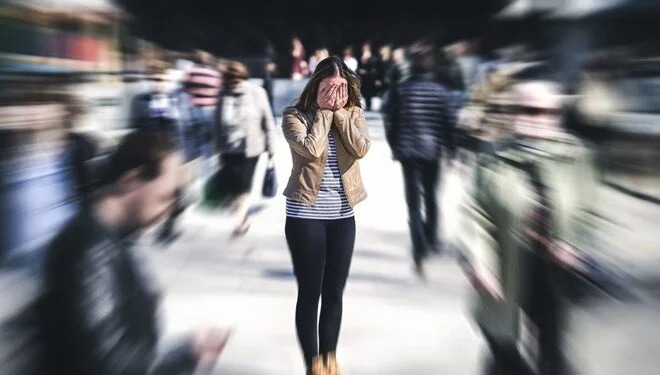
Psychiatrist Dr. Arzu Dalmış stated that excitement and panic attacks are often confused with each other, saying: "A panic attack is a sudden episode of intense fear accompanied by physical symptoms that occurs unexpectedly without any real danger," and she also noted that irregular sleep and excessive caffeine consumption can contribute to panic attacks.
Psychiatry Specialist Dr. Arzu Dalmış from Manisa Mental Health and Diseases Hospital emphasized that the words “panic” and “attack” sound intense, which makes it appealing for patients to describe their distress.
Therefore, whether they feel distressed or excited, patients often say, “I have a panic attack,” she said. Dalmış continued: “However, a panic attack is a sudden onset of physical symptoms accompanied by intense fear without any real danger. It typically peaks within about 10 minutes, lasts 20 to 30 minutes, and very rarely extends up to 1 hour. Symptoms may include sudden palpitations, trembling, sweating, chest tightness, feeling unable to breathe, and chills. However, not all symptoms occur at the same time. These physical symptoms are often accompanied by intense fear of death, fear of losing control or going insane, and feelings of detachment from the body or environment. In fact, harmless symptoms such as dizziness and palpitations are misinterpreted by the person as if something catastrophic is happening.”
“MORE COMMON IN WOMEN”
Psychiatrist Dalmış underlined that panic attacks are more common in women than in men, adding: “In addition, because urban environments are more stressful, we see them twice as often compared to rural areas. Irregular sleep and excessive caffeine consumption can also cause panic attacks. A person who experiences a panic attack may end up living a kind of ‘open prison’ life. This is because after having a panic attack in a certain place, the person tends to avoid going there again. For example, if it happened while driving, they may stop driving. Over time, the person’s social environment gradually shrinks. The first panic attack usually leads to emergency room visits. However, later on, the person may avoid going to the hospital because they know it will pass within 20–30 minutes. To prevent panic attacks, regular sleep and avoiding caffeine are always recommended.”