
"Expert Advice for Prospective Soldiers"
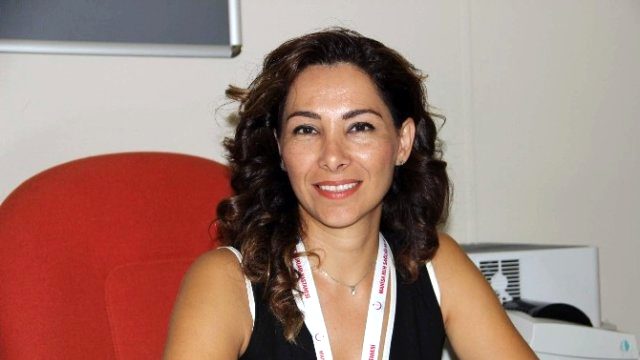
Psychiatry Specialist Dr. Arzu Dalmış from Manisa Mental Health and Diseases Hospital said, "Young people who have not arranged their affairs before going to the military, who leave behind sick parents, or whose spouse has just given birth experience adaptation difficulties when they suddenly go to military service."
Psychiatry Specialist Dr. Arzu Dalmış from Manisa Mental Health and Diseases Hospital said, "Young people who have not arranged their affairs before going to the military, who leave behind sick parents, or whose spouse has just given birth experience adaptation difficulties when they suddenly go to military service."
According to Article 1 of Military Service Law No. 1111, every Turkish young man is obliged to fulfill military service. Due to this law, young people preparing to go to military service can be negatively affected both by recent terrorist incidents and by the thought of entering a crowded and more disciplined environment required by military service.
Psychiatry Specialist Dr. Arzu Dalmış from Manisa Mental Health and Diseases Hospital gave advice to military candidates and their families. Emphasizing that motivation is very important for candidates, Dalmış said, "It is important for a 21-year-old to face such a reality. A young person who asks, 'Why am I here?' may have difficulty adapting to military life. Young people who have not arranged their affairs before going to the military, who leave behind sick parents, whose spouse has just given birth, or who are the only breadwinner of the family and suddenly go to the military may experience adaptation difficulties," she said.
"THE PREPARATION PROCESS IS IMPORTANT"
Emphasizing that the preparation process before going to the military is very important, Dalmış said:
"Before going to the military, appropriate conditions should be provided for those left behind. If possible, debts should be paid, transferred, or postponed. Problems such as 'I have debts to pay', 'My wife has just given birth', or 'My family is starving' are often mentioned. If proper conditions are provided for those left behind, the military service process will be easier. Because a difficult process awaits the person in the military as well. They transition from an individual life to a collective life and become part of a whole. This is not an easy process. We most often see young people during their initial training period."
Noting that some individuals benefit from military service by developing themselves, while others may experience psychological trauma or the emergence of underlying psychiatric conditions, Dalmış said, "Since some psychiatric illnesses appear at the age when military service is performed, we may observe them during military service. However, the military itself is not the cause; it is only a triggering factor that reveals an existing condition," she said.
"EARLY DISCIPLINE TRAINING SHOULD BE GIVEN"
Offering advice to the families of military candidates, Dalmış said: "Families of young people going through the military preparation process should provide training that introduces them to disciplined environments similar to military life. Young people who have not participated in camp-like activities and are not accustomed to rules find it difficult to adapt to military life. Participating in group activities during school life, gaining discipline, and getting used to living with rules are preparation for the military. If a person goes to the military understanding its importance and is equipped with these skills, they can have a much easier service period."
"SHARING RESPONSIBILITY REDUCES THE BURDEN"
Stating that motivating young people who undertake the sacred duty of military service is important, Dalmış said that if families, partners, siblings, and loved ones share responsibilities left behind, the burden is significantly reduced. Dalmış said, "If a brother who is the sole provider of the household goes to the military, other siblings taking over responsibilities, or caring for a spouse and child left behind, will greatly ease the person going to the military."
Addressing psychiatric conditions that may go unnoticed during military service but appear afterward, Dalmış continued: "When psychiatric conditions are detected in the military, personnel bring them to us. Sometimes, early symptoms that emerge during military service develop into full psychiatric disorders after discharge, such as schizophrenia and bipolar disorder. When detected, professional psychiatric support must be sought." Explaining that the condition should be controlled from the beginning, Dalmış said: "Symptoms include excessive fear, hallucinations such as 'they are following me', 'they will kill me', 'they are behind me'. Sudden withdrawal, developing unusual habits, or neglecting hygiene such as not bathing are warning signs for families and should be referred to a professional."
"TURN MILITARY SERVICE INTO AN ADVANTAGE"
Emphasizing both the process during military service and the importance of returning to social life afterward, Dalmış noted that post-military life is a period where life is reshaped. Stating that new responsibilities such as employment and marriage may be undertaken and social life may change completely, Dalmış emphasized the importance of emotional support. She continued: "We have young people who experience substance addiction during military service. We have rehabilitation programs for these patients. I recommend turning military service into an advantage. It is a clean and disciplined environment. If a young person uses it well, they can complete military service clean from substances."
MANISA